Introduction
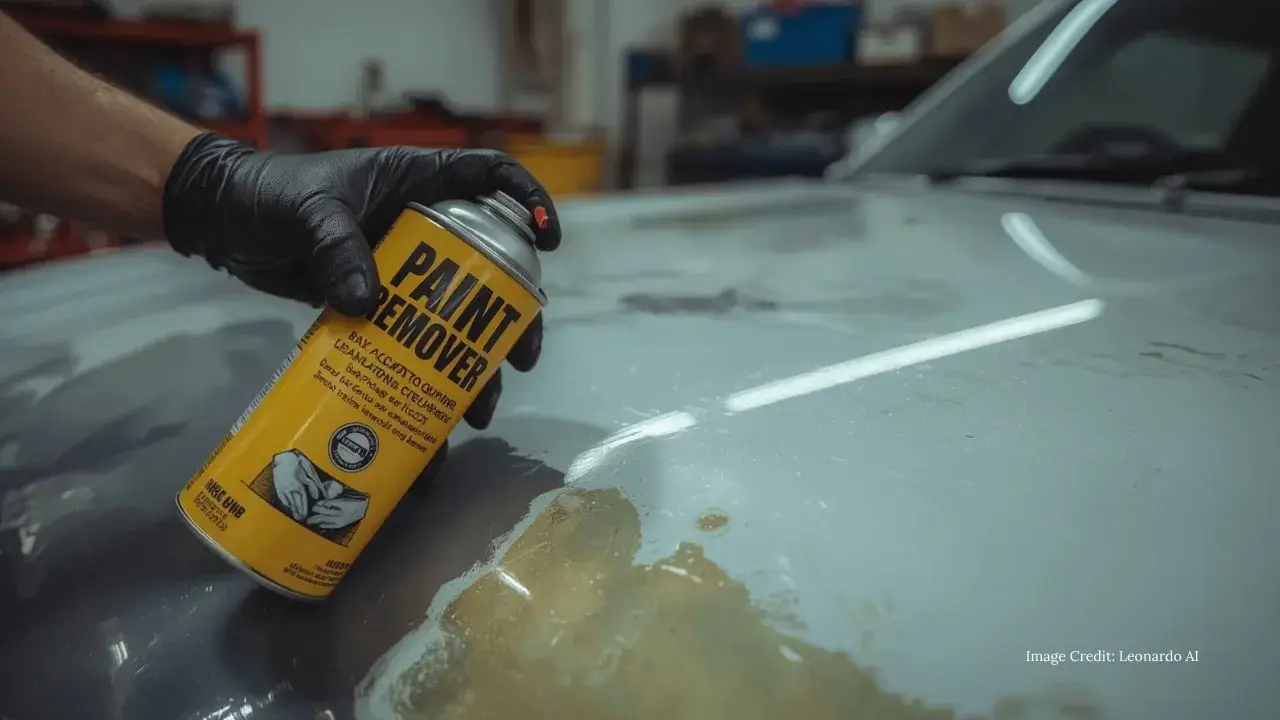
Removing paint from your car isn’t just about making it look new again, it’s an essential part of any serious restoration or repair job. Whether you’re reviving an old classic, fixing up a scratched fender, or prepping for a fresh paint job, the type of paint remover you choose can make or break your results. In this detailed guide, we’ll walk through everything you need to know to find the best paint remover for cars including product recommendations, safety tips, and expert tricks for a smooth, clean finish.
Understanding Car Paint Removal
Car paint removal is the process of stripping off the existing paint layer from your vehicle’s surface to expose the base metal or primer beneath. This step is essential before applying a new coat of paint because it ensures adhesion, prevents imperfections, and eliminates rust or oxidation trapped under the old paint.
Paint removers work by breaking down the chemical bonds in the paint’s resin, allowing it to soften and peel away. Depending on the remover type, this can happen chemically, mechanically, or through heat. For instance, chemical removers use solvents to dissolve the paint, while mechanical removers rely on sanding or blasting to physically strip the surface.
Different vehicles have different paint compositions some use acrylic, others use urethane or enamel. Understanding what type of paint your car has helps you choose the right remover. For example, enamel paints are tougher and may need a strong solvent-based remover, whereas acrylics can often be handled with a gentler, eco-friendly gel.
A well-executed paint removal job sets the foundation for a stunning, professional-quality finish. Skipping this step or using the wrong remover can lead to bubbling, uneven coating, or poor adhesion later on issues that can ruin even the best repaint.
Why You Might Need a Paint Remover
There are countless reasons you might find yourself reaching for a paint remover, and not all of them involve complete car restorations. Here are some of the most common situations where you’ll need to strip paint off your car:
- Restoring Classic Cars: Vintage vehicles often have layers of old paint, primer, and even rust. Stripping them clean gives you a blank canvas for restoration.
- Fixing Damage: If your car has deep scratches, chips, or dents, removing paint in the affected area makes it easier to repair and repaint.
- Color Change: Want to change your car’s look entirely? Removing the old paint helps the new color adhere better and last longer.
- Rust Removal: Paint remover helps expose rusty patches so you can treat and seal them before repainting.
Without proper removal, applying new paint over old layers can cause peeling, cracking, or uneven textures. Using a quality remover ensures a smooth, clean surface ready for whatever creative transformation you have in mind.
Types of Paint Removers for Cars
When it comes to removing paint from your car, not all paint removers are created equal. The right one depends on your goals, budget, and the surface you’re working with. Let’s break down the main types of automotive paint removers you’ll come across and how each works.
1. Chemical Paint Removers
These are the most common and powerful types available. Chemical removers sometimes called paint strippers use solvents like methylene chloride or N-methyl-2-pyrrolidone (NMP) to dissolve paint layers quickly. They can cut through multiple coats, including primer, clear coat, and top paint.
- Advantages: Fast-acting, minimal scrubbing needed, effective on thick paint.
- Disadvantages: Can be harsh on the skin and harmful if inhaled, so proper ventilation and protective gear are a must.
2. Mechanical Paint Removers
These involve using abrasives like sandpaper, sanding discs, or media blasting to physically remove paint. It’s ideal for people who prefer avoiding chemicals altogether.
- Advantages: No chemical fumes, more environmentally friendly, full control over removal depth.
- Disadvantages: Time-consuming, risks scratching metal surfaces if overdone.
3. Eco-Friendly Paint Removers
These removers are biodegradable, water-based, and non-toxic. They use natural compounds like citrus extracts (such as Citristrip) to lift paint safely.
- Advantages: Safe for indoor use, low odor, environmentally responsible.
- Disadvantages: Slower to work compared to chemical strippers, may struggle with thick or old enamel paint.
4. Heat-Based Paint Removal
Heat guns can soften paint enough for you to scrape it off easily. This method is chemical-free and effective, especially on small areas.
- Advantages: No chemicals, reusable tools, good for localized touch-ups.
- Disadvantages: Risk of overheating panels or damaging nearby plastic parts.
Each method has its place. If you’re tackling a large car restoration, a chemical gel stripper might be your best bet. But for eco-conscious DIYers or minor jobs, citrus-based removers and heat methods offer safer, cleaner options.
How to Choose the Best Paint Remover for Cars
Choosing the right paint remover can be the difference between a smooth, damage-free finish and a disaster that requires expensive repairs. Before buying, consider the following key factors:
1. Type of Paint and Surface Material
Not all removers work well on every surface. For instance, strong chemical removers may eat through aluminum or plastic if left too long. Always check compatibility especially if your car has mixed materials like fiberglass panels or plastic bumpers.
2. Safety and Ventilation
Paint strippers release fumes that can be harmful if inhaled. Always work outdoors or in a well-ventilated area, and wear gloves, goggles, and a respirator. If you prefer to work indoors, opt for low-VOC or citrus-based removers.
3. Ease of Application
Some removers come as sprays or gels, making them easy to apply without dripping. Gels, in particular, cling well to vertical surfaces like doors or fenders.
4. Cleanup and Disposal
Look for products that offer easy cleanup with water instead of harsh solvents. Proper disposal of used remover and paint residue is critical for the environment.
5. Speed vs. Safety Trade-Off
If you want fast results, chemical removers win. But if you value a safer, eco-friendly approach, you may need to sacrifice some speed.
6. Brand Reputation and Reviews
Trusted brands like Klean-Strip, Rust-Oleum, and 3M have long histories of producing reliable automotive products. Always read reviews to see how real users rate a product’s performance.
The best remover for your car will depend on your comfort level with chemicals, the type of paint you’re stripping, and how much time you’re willing to invest.
Top 10 Best Paint Removers for Cars (2025 Edition)
Here’s a roundup of the best-rated paint removers on the market right now, curated based on performance, safety, and ease of use.
- KLEAN-STRIP Aircraft Ultra Paint Remover, powerful formula that quickly removes automotive and metal coatings, shows visible lifting, and works fast, 1 Quart.
- 2 Pack Car Scratch Remover Nano Sparkle Cloth, easily fixes paint scratches and water spots, gray.
- Upgraded 2025 Nano Sparkle Cloth Car Scratch Remover, universal for all vehicles, repairs paint scratches and water spots with ease.
- Nano Sparkle Cloth Scratch Repair Kit, magic cloth that removes small scratches, scuffs, and blemishes from any car’s paint.
- 2025 Upgraded Nano Sparkle Cloth Scratch Remover Paste, car repair kit that removes scratches and water spots effectively.
- 2025 Nano Sparkle Cloth Car Scratch Remover, magic cleaning wipes with scratch repair paste and polishing wax for fixing deep car scratches.
- Max Strip Latex Paint Remover 22 oz, fast-acting water-based formula that safely removes latex and acrylic paint from wood, metal, concrete, and more, great for drips, spills, and overspray.
- KLEAN-STRIP Aircraft Ultra Paint Remover Aerosol, powerful spray formula that quickly strips automotive and metal coatings with visible lifting, 15 oz.
- DipYourCar.com Plasti Dip Dissolver, spray-on remover and cleaner that liquefies and removes Plasti Dip coatings for an easy peel, 32 oz bottle.
- 6 Pack Nano Sparkle Cloth Car Scratch Remover, nanosparkle cloths that polish surfaces and easily fix paint scratches and water spots.
These products have been tested and reviewed by professional detailers and car restoration enthusiasts alike. Each one brings something different to the table, from lightning-fast action to eco-safe formulas that won’t harm your hands or the environment.
Detailed Reviews of Each Paint Remover
Let’s dig deeper into how these removers perform in real-world scenarios.
1. Klean-Strip Aircraft Paint Remover

- [Powerful Formula]: Experience the next level of paint removal with Aircraft ULTRA, featuring a patent-pending formula t…
- [Visible Results]: Watch as paint visibly lifts from surfaces thanks to Aircraft ULTRA’s advanced formula, ensuring you …
- [Versatile Use]: Specially formulated to tackle tough 2K automotive coatings, including epoxies and urethanes, Aircraft …
The Klean-Strip Aircraft Ultra Paint Remover (1 Quart) is a high-performance formula built for large-scale automotive and industrial paint removal. Its thick consistency clings to vertical surfaces, lifting multiple paint layers in minutes. This product is ideal for professional restorations and heavy-duty stripping projects.
Pros:
- Removes multiple paint and coating layers
- Covers large surface areas efficiently
- Perfect for metal, automotive, and marine use
- Proven fast-acting professional formula
Cons:
- Contains strong chemicals; protective gear required
- Not recommended for plastic or composite materials
2. 2 Pack Car Scratches Remover, Nano Sparkle Cloth for Car Scratches, Easily Repair Paint Scratches and Water Spots (Gray)

Restore your car’s shine quickly with the 2 Pack Nano Sparkle Cloth Car Scratch Remover. Made with advanced nano-fiber technology, this cloth easily removes light scratches, swirl marks, and water stains from your car’s surface. The durable gray material safely polishes paint without causing damage. It’s the perfect quick fix for car owners who want a spotless, glossy finish in minutes.
Pros:
- Simple to use with no special tools needed
- Removes surface scratches, oxidation, and stains
- Safe for all car colors and finishes
- Reusable and portable for quick touch-ups
Cons:
- Not effective for deep or severe paint damage
- May lose strength after several uses
3. Upgrade Nano Sparkle Cloth Car Scratch Remover, 2025 New Version
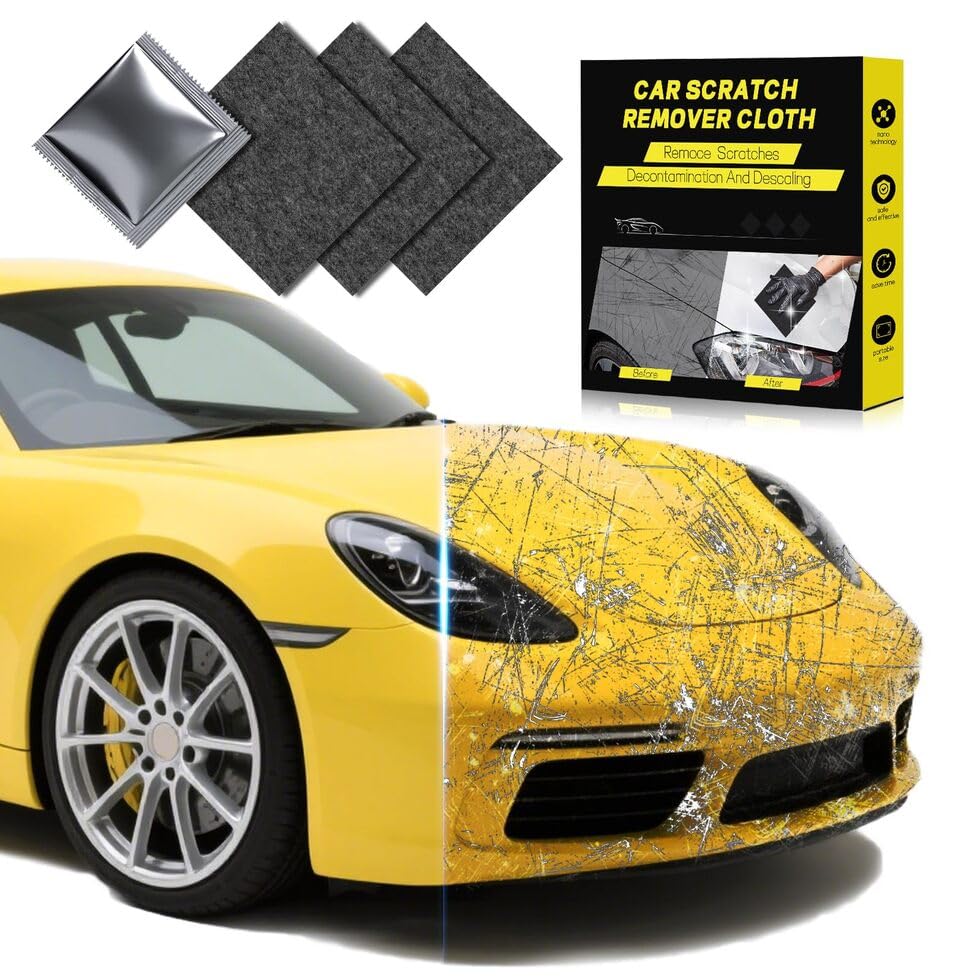
- 𝐇𝐢𝐠𝐡 𝐐𝐮𝐚𝐥𝐢𝐭𝐲 𝐌𝐚𝐭𝐞𝐫𝐢𝐚𝐥 – Nano sparkle cloth car scratch remover is made of nanotechnology, super fine and soft that will …
- 𝐄𝐟𝐟𝐞𝐜𝐭𝐢𝐯𝐞 𝐒𝐜𝐫𝐚𝐭𝐜𝐡 𝐑𝐞𝐦𝐨𝐯𝐚𝐥 – The nanosparkle cloth can easily remove swirls and scratches, dust spots, and has the effect…
- 𝐄𝐚𝐬𝐲 𝐓𝐨 𝐔𝐬𝐞 – Package includes 3 pieces of nano sparkle cloth and cleaning agent, use the cloth with a bean-sized amount…
Description:
The 2025 Upgrade Nano Sparkle Cloth offers a next-generation solution for removing scratches and blemishes from any vehicle. Its new nano-repair technology improves performance, providing faster and more effective results. Ideal for removing oxidation, water spots, and surface scuffs, this cloth helps restore your car’s paint to a smooth, shiny finish.
Pros:
- Enhanced nano compound for better repair efficiency
- Works perfectly on both dark and light-colored cars
- Removes minor scratches, oxidation, and stains
- Compact and convenient for home or travel use
Cons:
- Not suitable for deep scratches
- Must be stored properly to maintain effectiveness
4. Nano Sparkle Cloth Car Scratch Remover Nano Magic Cloth Scratch Repair Kit
The Nano Magic Cloth Scratch Repair Kit delivers an easy and effective way to repair car paint scratches and blemishes. Using advanced nano-particle technology, it gently removes scuffs, water stains, and oxidation from all vehicle types. It restores a mirror-like shine and helps you maintain a flawless car exterior without expensive professional detailing.
Pros:
- Universal use for any vehicle paint color
- Repairs small scratches and swirl marks effectively
- Quick, mess-free application
- Long-lasting shine after each use
Cons:
- Ineffective for deep or multi-layer paint damage
- May require multiple applications on tougher areas
5. Nano Sparkle Cloth Car Scratch Remover Paste for Vehicles, 2025 Upgrade
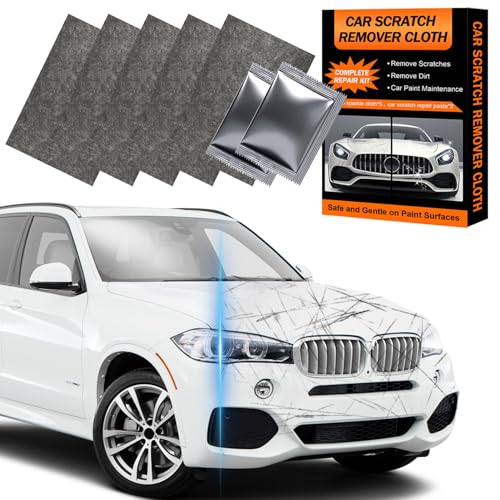
The 2025 Upgraded Nano Sparkle Paste Kit combines powerful nano-particles with polishing paste to remove light scratches and restore gloss. The repair paste penetrates and smooths paint damage while the included cloth finishes the job with a polished surface. It’s an ideal all-in-one kit for restoring your vehicle’s appearance.
Pros:
- Dual-action paste and cloth for better results
- Removes oxidation, swirl marks, and stains
- Works on paint, clear coat, and headlights
- Safe for use on most vehicle surfaces
Cons:
- Requires light polishing effort
- Paste may dry out if left open for too long
6. Nano Sparkle Cloth Car Scratch Remover – 2025 Upgrade Magic Wipes Cleaning Kit
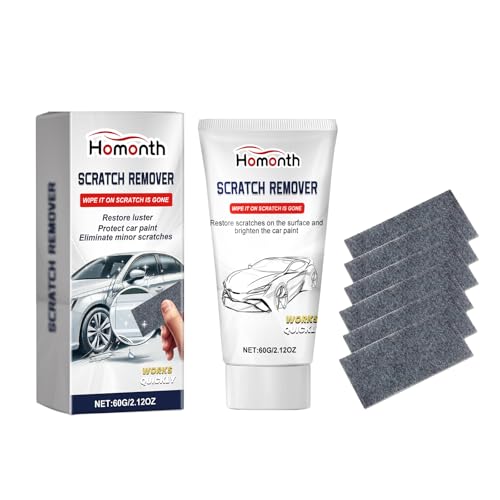
- Rapid Car Scratch Restoration: Bid farewell to those eyesores known as car scratches! Our swift-acting car scratch repai…
- Simplified Application Process: With our Nano Sparkle Cloth Car Scratch Remover, you can effortlessly rejuvenate your ca…
- Safe and Effective Repair: Our car scuff remover, equipped with 6 nano sparkle cloths, is crafted to mend scratches with…
The 2025 Nano Sparkle Magic Wipes Kit is an advanced car scratch repair solution that combines nano cloths, scratch remover paste, and polishing wax. This complete kit removes scratches, water spots, and oxidation while adding a protective layer of shine. Ideal for car owners who want professional results at home.
Pros:
- All-in-one scratch removal and polishing solution
- Removes scuffs, oxidation, and surface blemishes
- Includes protective wax for lasting shine
- Suitable for any car model or color
Cons:
- Not ideal for deep paint scratches
- May take some practice to achieve perfect results
7. Max Strip Latex Paint Remover 22oz (Water-Based Formula)

- POWERFUL NO DRIP SPRAY GEL – Effective fast, easy removal of latex paint spills, drips and overspray.
- SOFTENS latex paint mess with a low VOC, biodegradable formula that penetrates paint and starts loosening within minutes…
- EFFECTIVE on interior and exterior surfaces for removing fresh or dried latex paint
The Max Strip Latex Paint Remover is a fast-acting, water-based formula designed to remove latex and acrylic paint from multiple surfaces safely. Perfect for car projects, it also works on wood, metal, and concrete. This eco-friendly product eliminates drips, spills, and overspray quickly without harsh odors or toxic chemicals.
Pros:
- Non-toxic and water-based for safe use
- Fast-acting formula with minimal fumes
- Works on various surfaces including metal and concrete
- Ideal for indoor and outdoor applications
Cons:
- Less effective on oil-based paints
- May require light scrubbing on thick paint layers
8. KLEAN-STRIP Aircraft Ultra Paint Remover (15oz Aerosol)

- [Powerful Formula]: Experience the next level of paint removal with Aircraft ULTRA, featuring a patent-pending formula t…
- [Visible Results]: Watch as paint visibly lifts from surfaces thanks to Aircraft ULTRA’s advanced formula, ensuring you …
- [Versatile Use]: Specially formulated to tackle tough 2K automotive coatings, including epoxies and urethanes, Aircraft …
The Klean-Strip Aircraft Ultra Paint Remover in aerosol form is a professional-grade solution that removes tough automotive coatings fast. It lifts and bubbles paint within minutes, making it easy to strip away old finishes on metal surfaces. This product is ideal for car restoration, body repair, and metal refinishing.
Pros:
- Quick and visible paint lifting results
- Simple aerosol spray for precise application
- Works effectively on multiple paint layers
- Trusted by professionals for decades
Cons:
- Strong fumes; requires good ventilation
- Not suitable for use on plastic or fiberglass
9. DipYourCar.com Plasti Dip Dissolver – 32oz Spray Bottle

- FASTER EASIER REMOVER: Dip Dissolver is the perfect tool for any areas of your Plasti Dip or HyperDip coating where the …
- FASTER. SAFER. STRONGER: Our Dissolver works faster and easier than anything else. Our exclusive formula is made of 90% …
- EASY TO USE: Just spray a full coat over the dipped area and let it sit for 60-90 seconds then apply one more coat and w…
Remove Plasti Dip coatings with ease using the DipYourCar.com Plasti Dip Dissolver. This specialized formula liquifies and loosens Plasti Dip so it can be peeled away effortlessly. Ideal for cleaning overspray or removing old dip finishes, this dissolver keeps your car’s surface clean and damage-free.
Pros:
- Designed specifically for Plasti Dip coatings
- Easy spray application for convenience
- Safe on factory paint and finishes
- Works quickly and efficiently
Cons:
- Not suitable for traditional automotive paints
- May require multiple sprays for thick Plasti Dip layers
10. Nano Sparkle Cloth Car Scratches Remover, 6 Pcs Nano Sparkle Cloth Set
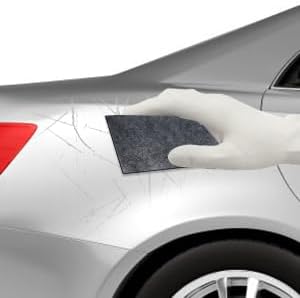
Keep your car spotless with the 6-Pack Nano Sparkle Cloth Car Scratch Remover Set. Each reusable cloth uses nano-particle technology to eliminate light scratches, scuffs, oxidation, and water stains. Perfect for families or professionals, this set provides lasting value and consistent results for multiple vehicles.
Pros:
- Excellent value with six reusable cloths
- Removes small scratches, stains, and water spots
- Compact and easy to store in your glove box
- Works on all car colors and surfaces
Cons:
- Limited effect on deep scratches
- Must be sealed after use to prevent drying out
Chemical vs. Mechanical Paint Removers
Choosing between a chemical and a mechanical paint remover can be tricky, especially if you’re new to auto refinishing. Here’s a quick comparison to help you decide:
| Feature | Chemical Paint Remover | Mechanical Paint Remover |
|---|---|---|
| Speed | Fast (5–30 mins) | Slower (manual process) |
| Ease of Use | Simple apply and wait | Requires tools and skill |
| Safety | Can be toxic | Safer but dusty |
| Surface Risk | May damage plastics | May scratch metal |
| Cleanup | Needs solvent or water rinse | Requires vacuuming dust |
| Cost | Medium | Low to Medium |
| Eco-Friendliness | Varies by formula | Eco-safe (no chemicals) |
Chemical removers win for efficiency and power, making them ideal for full-car paint jobs. Meanwhile, mechanical methods like sanding offer more control, especially for small patches or when working indoors.
How to Safely Use Paint Remover on Cars
Before you start applying paint remover, preparation and safety should be your top priorities. Paint removers contain active ingredients that can irritate your skin, damage surfaces, or release harmful fumes if handled incorrectly. Here’s a step-by-step guide:
1. Gather Safety Equipment
You’ll need:
- Nitrile or rubber gloves
- Safety goggles
- Respirator or mask
- Long sleeves and pants
- Drop cloths to protect the floor
2. Prep the Work Area
Always work outdoors or in a garage with doors wide open. Cover nearby objects with plastic sheets to prevent accidental splatter.
3. Clean the Surface
Wash your car thoroughly to remove dirt, grease, and wax. The cleaner the surface, the more effective your paint remover will be.
4. Apply the Paint Remover
- Use a brush or spray to apply an even layer.
- Let it sit according to the product’s instructions (usually 10–60 minutes).
- You’ll notice the paint bubbling or lifting this means it’s ready to be scraped off.
5. Scrape and Remove
Use a plastic scraper or putty knife to gently lift the paint. Avoid metal tools they can scratch your car’s body.
6. Neutralize and Clean Up
After scraping, neutralize the surface with water or a neutralizing solution (depending on the remover type). Wipe everything clean and let it dry completely.
7. Safety Reminders
- Never mix different paint removers.
- Dispose of used paint and remover residue responsibly.
- Always store products out of reach of children and pets.
DIY Paint Removal Techniques
Sometimes, you don’t need fancy tools or expensive chemicals to remove old paint from your car. With a little patience, you can achieve great results using DIY paint removal techniques that are safe, affordable, and surprisingly effective.
1. Sanding the Paint Off
Sanding is one of the oldest and most reliable ways to remove car paint. It involves using sandpaper or an orbital sander to gradually strip layers of paint until the bare metal shows.
- Start with coarse grit (80–120) to remove the top layers.
- Switch to finer grit (220–320) for smoothing the surface.
Advantages:
- No chemicals needed
- Total control over the process
- Ideal for spot treatments or prep work
Disadvantages:
- Time-consuming
- Can cause uneven surfaces if done carelessly
Pro tip: Use wet sanding to reduce dust and heat buildup it gives a smoother finish and protects the underlying metal.
2. Using Baking Soda and Water Blasting
This is a popular eco-friendly method where a mixture of baking soda and water is blasted onto the car’s surface using compressed air. It’s a gentler alternative to sandblasting and won’t warp metal.
Advantages:
- Safe for delicate panels
- Removes paint, rust, and grime simultaneously
- No harsh chemicals
Disadvantages:
- Requires a blasting machine
- Messy cleanup
It’s perfect for classic car restorations where preserving the original body integrity is crucial.
3. Vinegar and Heat Combo
Believe it or not, white vinegar can help loosen paint when combined with gentle heat. Apply warm vinegar to the painted area and let it sit for 15–20 minutes, then use a scraper to lift off softened paint.
Advantages:
- Inexpensive and non-toxic
- Ideal for small sections
Disadvantages:
- Limited effectiveness on strong automotive paints
- Not practical for full-body paint removal
This trick works best for detailing or small touch-up jobs.
4. Dual-Action (DA) Sander Method
A dual-action sander combines rotary and orbital movements, providing smooth, even paint removal. It’s faster than manual sanding and easier to control than grinders.
Advantages:
- Efficient and precise
- Produces minimal heat buildup
- Great for prepping before repainting
Disadvantages:
- Requires some practice
- Can be pricey for casual users
If you’re serious about car restoration, investing in a DA sander can save you hours of effort.
5. Combining Methods for Best Results
Professionals often combine chemical removers and sanding. For example, use a gentle stripper to lift most paint layers, then finish with fine sanding for a flawless surface. This hybrid approach balances speed, safety, and precision.
Remember: DIY methods require patience, but they give you complete control and can save a lot of money compared to professional stripping.
Eco-Friendly Paint Removal Options
As car enthusiasts become more environmentally conscious, eco-friendly paint removers have surged in popularity. These products are formulated to minimize harm to users, vehicles, and the planet without compromising performance.
1. Why Go Green?
Traditional paint strippers often contain methylene chloride, a harsh chemical linked to respiratory issues and environmental pollution. Eco-friendly alternatives use natural solvents, citrus extracts, and low-VOC compounds, making them safer for home garages.
2. Top Eco-Safe Products
Here are some reliable green paint removers for cars:
- Citristrip Paint & Varnish Gel – Biodegradable and effective on multiple coats.
- Smart Strip by Dumond – Non-toxic, odor-free, and powerful for heavy-duty jobs.
- EcoFast Automotive Remover – Water-based with no petroleum solvents.
These options provide peace of mind you can work safely without worrying about hazardous fumes or waste.
3. Proper Disposal of Paint Waste
Even eco-safe products create waste. Always collect leftover remover and paint residue in sealed containers. Never pour it down drains or onto soil. Check local regulations for hazardous waste disposal to stay compliant and protect the environment.
4. Reducing Your Carbon Footprint
Opt for reusable tools, water-based removers, and minimal packaging. Small choices like these make a big impact when restoring your vehicle sustainably.
Safety Tips and Precautions
No matter what remover you choose, safety must come first. Paint removers are potent substances that can cause chemical burns, toxic fumes, or surface damage if mishandled. Here are essential safety practices every DIY car enthusiast should follow:
1. Use Proper Protective Gear
Always wear:
- Chemical-resistant gloves
- Safety goggles or a full-face shield
- A respirator or N95 mask
- Long sleeves, pants, and closed shoes
2. Ensure Proper Ventilation
Work in an open or well-ventilated area. If indoors, use fans and open all doors or windows. Never use chemical removers in enclosed spaces.
3. Avoid Direct Skin Contact
If remover touches your skin, rinse immediately with plenty of water and mild soap. Do not use solvents or thinner to clean chemical spills on your body.
4. Mind the Temperature
Extreme heat can make some removers evaporate too quickly, while cold weather slows activation. Always check the product’s ideal working temperature (usually between 60°F and 80°F).
5. Keep Away from Flames
Many removers are flammable. Keep them far from open flames, cigarettes, or heat sources.
6. Test Before Full Application
Always test the remover on a small, hidden area first. This helps you gauge its strength and prevents accidental damage to sensitive surfaces.
Safety isn’t optional it’s what separates a successful project from a dangerous mistake. Treat paint removers with respect, and they’ll reward you with professional-quality results.
Cost of Paint Removers and Professional Services
Let’s talk numbers. The cost of removing paint from a car depends on whether you’re doing it yourself or hiring professionals.
1. DIY Paint Removal Costs
- Chemical removers: $10–$40 per quart (enough for small-to-medium areas)
- Mechanical sanding supplies: $20–$100 (sandpaper, DA sander pads, etc.)
- Safety gear: $30–$80 (gloves, respirator, goggles)
Total DIY cost typically ranges from $60–$200, depending on the tools you already own.
2. Professional Paint Removal Costs
If you choose to have the work done professionally, expect to pay between $500 and $2,000. Factors that affect cost include:
- Vehicle size and paint type
- Level of rust or body damage
- Whether you want the car primed afterward
3. Which Is Better: DIY or Professional?
If you’re restoring a show car or lack the proper space for safe stripping, hiring professionals ensures a perfect, even surface. However, for minor jobs or budget-conscious projects, DIY methods are more than capable of delivering great results with patience and care.
Expert Tips for a Perfect Paint Removal Job
Before wrapping up, let’s go over some expert-level advice to ensure your paint removal process goes smoothly from start to finish.
- Work in Sections: Don’t rush to cover the entire car at once. Tackle one panel at a time for better control and less mess.
- Stay Consistent with Timing – Leaving remover on too long can damage metal; too short and paint won’t lift properly. Follow manufacturer guidelines.
- Use Plastic Tools: Always use plastic scrapers or nylon brushes to avoid gouging your car’s surface.
- Neutralize Thoroughly: After removing paint, neutralize with water or a special solution before sanding or repainting.
- Inspect for Rust: Once paint is stripped, check for corrosion and treat it immediately with rust converter or primer.
- Don’t Skip Surface Prep: Clean and sand the surface before repainting. Even the best paint job fails without a properly prepared base.
- Stay Patient – Rushing leads to uneven results. Take your time quality restoration is all about precision.
Conclusion
Choosing the best paint remover for cars isn’t just about brand names, it’s about finding the right balance of power, safety, and ease of use for your specific needs. From heavy-duty options like Klean-Strip Aircraft Remover to gentle, eco-friendly solutions like Citristrip, there’s a product suited for every project and skill level.
Remember, proper safety gear, surface preparation, and patience are key. Whether you’re restoring a vintage muscle car or prepping your daily driver for a color change, a clean paint-free surface is the first step toward a flawless finish.
Take your time, follow the steps carefully, and you’ll be amazed at how rewarding the process can be. Happy restoring!
FAQs
1. Can I use household products to remove car paint?
Yes, mild solutions like vinegar or baking soda can help on small areas, but they’re not effective for full paint removal jobs.
2. What’s the safest paint remover for aluminum cars?
Eco-friendly gels like Smart Strip or Citristrip are best they won’t corrode aluminum.
3. How long should I leave paint remover on the surface?
It varies by product, but typically 10–60 minutes. Always follow label instructions to prevent surface damage.
4. Can paint remover damage car plastic?
Yes, strong chemical removers can melt or discolor plastic parts. Test on a small area first or use a gentler product.
5. Is professional paint removal worth it?
Absolutely, if you’re restoring a high-value vehicle or want flawless results, professional services save time and ensure safety.