Introduction: Battling the Interior Inferno
As the sun climbs higher and temperatures soar, our cars can quickly transform from comfortable sanctuaries into scorching ovens. We’ve all experienced that blast of stifling hot air when opening the car door, or the searing touch of a sun-baked steering wheel.
While we often focus on protecting our engines and exteriors, the interior of our vehicle faces significant risks from intense heat and constant sun exposure. Over time, this can lead to lasting damage, from cracked dashboards and faded upholstery to unpleasant odors and weakened materials. Protecting your car’s interior from heat is not just about comfort; it’s key to maintaining its value, appearance, and overall longevity.
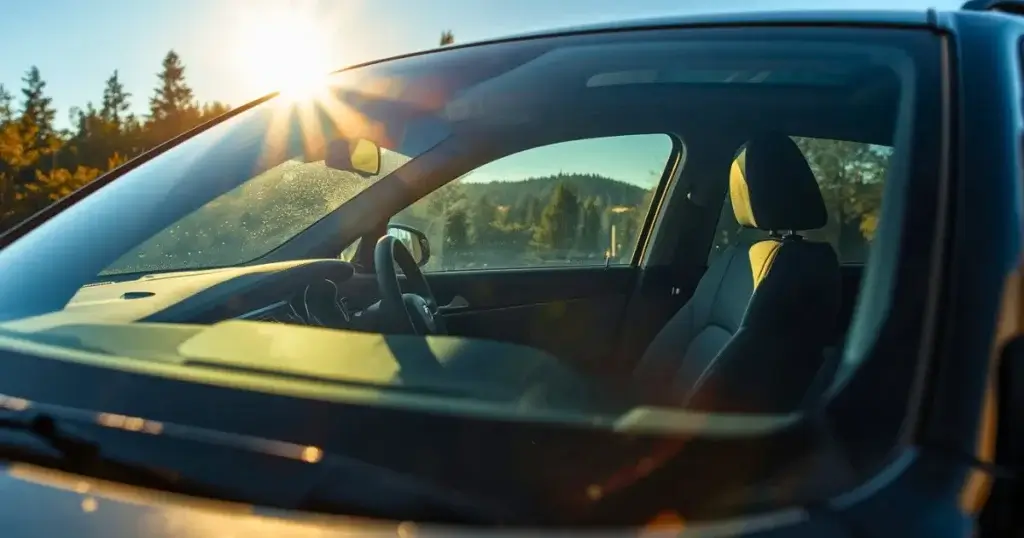
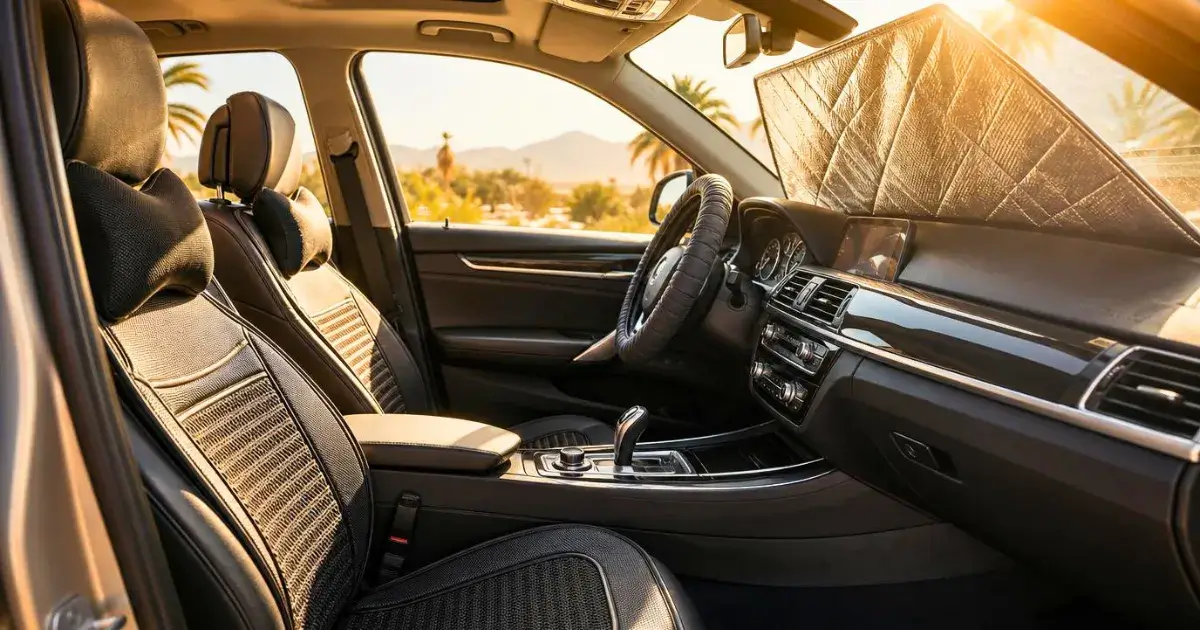
Image Credit: AI Generated
Understanding the Problem: How Heat Damages Your Car’s Interior

- ULTIMATE PROTECTION: 303 automotive protectant spray shields against UV ray damage to prevent fading and cracking, while…
- NOT GREASY: This car protectant spray dries to a smooth, matte finish with no oily or greasy residue left behind making …
- EXTERIOR & INTERIOR: Maintains a like-new appearance, texture, & color on a variety of surfaces including vinyl, plastic…
A parked car under the summer sun can reach interior temperatures exceeding 130°F, and even up to 190°F in extreme conditions. On an 80-degree day, the inside of a car can hit 109 degrees Fahrenheit in just 20 minutes, and 123 degrees after an hour. This “greenhouse effect” occurs because glass allows sunlight to pass through freely, and once inside, much of that light is absorbed by the seats and dashboard, turning into heat that becomes trapped.
The effects of this intense heat and constant sun exposure are both cosmetic and structural:
- UV Ray Damage: Ultraviolet (UV) rays, a form of solar radiation, penetrate car windows. While most windows block UVB rays, the more harmful UVA rays still get through, causing gradual damage. This process, called photodegradation, breaks down materials like fabric, vinyl, leather, and plastic over time, leading to fading, discoloration, and brittleness.
- Thermal Degradation: High temperatures cause materials to expand and contract. This thermal stress, combined with UV exposure, accelerates the breakdown of components. Dashboards, often taking the brunt of sun exposure, can warp, fade, or even split. Plastic components can distort and break, and electronics can overheat, leading to malfunctions or complete failure.
- Upholstery Damage:
- Leather seats are particularly vulnerable. Without proper care, the sun’s rays dry out the natural oils, causing the leather to become stiff, dry out, and crack. Light-colored leather can fade faster.
- Fabric seats can lose their color and look worn much earlier than expected. Lighter cloth seats tend to hold up better than dark-colored leather under UV rays, but both can fade over time.
- Other Components:
- Steering wheels and door panels also suffer from direct sunlight and heat, becoming hot to the touch and prone to damage.
- Electronics and touchscreens are highly sensitive to heat and UV damage, which can cause discoloration and performance issues.
- Intense heat can also amplify lingering smells from spills or trash and melt plastic items left inside.
Ongoing exposure to these conditions can significantly reduce a vehicle’s resale value, by as much as 10 percent.
Essential Strategies for Immediate Heat Protection
Protecting your car’s interior from heat doesn’t always require costly modifications. Many immediate, practical strategies can make a significant difference in keeping your cabin cooler and preserving its condition.
Smart Parking Choices
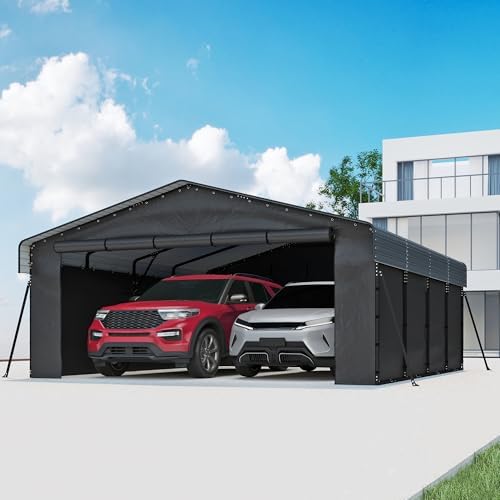
- Triangular Brace Structure: This system evenly distributes forces, significantly enhancing the roof’s load-bearing capac…
- Versatile Carport: Easily transforms into a shaded area for family gatherings, weddings, birthdays, barbecues, or weeken…
- Galvanized Steel Roof: Protects vehicles and equipment from sun damage and keeps the interior cooler during hot weather.
One of the simplest yet most effective ways to reduce heat-related damage is by choosing shaded or covered parking.
- Garages and Carports: Parking in a garage offers the best protection, shielding the entire vehicle from direct sun exposure and significantly lowering interior temperatures.
- Natural Shade: Even a spot under a tree or an awning can lower interior temperatures considerably. When parking, consider the sun’s movement throughout the day. A spot that’s shady in the morning might be fully exposed by afternoon.
- Directional Parking: If shade isn’t available, try to park with your car’s rear facing the sun. This minimizes direct sunlight on your dashboard and steering wheel, which are particularly susceptible to heat.
Windshield and Window Sunshades
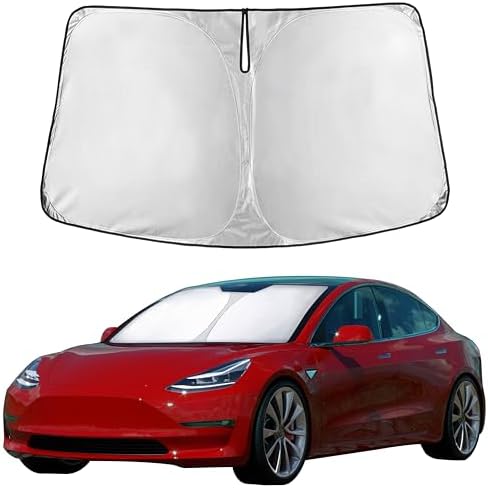
- [Double Layer Light Blocking Fabric] Enjoy enhanced insulation and coverage with our Tesla car window shades featuring t…
- [Perfect Fit for Tesla Models] Specifically designed for Tesla Model 3 sunshade and Tesla Model Y sunshade, EcoNour’s ta…
- [Durable Reflective 240T Material] Crafted from robust 240T polyester fabric with reinforced flexible wire, our Tesla su…
Sunshades are a cost-effective and highly recommended first line of defense against heat and UV rays.
- How They Work: Sunshades work by reflecting sunlight away from your car’s interior, significantly reducing the amount of heat that enters. The best sunshades are typically metallic or silver in color to maximize reflection.
- Types of Sunshades:
- Folding/Accordion Style: These are popular due to their low cost and ease of installation. While lightweight and easy to store, folding them can sometimes be tricky.
- Roll-Up: Easy to install and put away, but can be less compact.
- Umbrella Style: These open and close like a regular umbrella, offering easy installation and compact storage in a glove box or door pocket.
- Custom-Fit: Brands like WeatherTech and Covercraft offer laser-cut sunshades designed to fit your vehicle’s windshield precisely, ensuring edge-to-edge coverage and superior protection. These are often more expensive but provide a tighter seal against sunlight.
- Full Coverage: For maximum protection, consider using sunshades for side and rear windows as well.
Ventilation
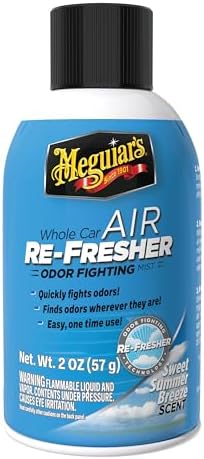
- WHOLE CAR AIR REFRESHER: This convenient car air freshener mist combats strong vehicle odours while infusing your cabin …
- ONE-TIME USE: Refreshing your car’s interior is as easy as a simple one-time-use aerosol. Our odor fighting chemistry wo…
- COMPLETE REFRESH: This car air freshener for car interiors moves through the ventilation system, across the headliner, a…
Even a small amount of ventilation can go a long way in preventing your car from becoming an oven.
- Cracking Windows: If it’s safe to do so (e.g., in a secure garage or gated community), crack your windows open a few inches. This allows hot air to escape and creates a cross-breeze, helping to circulate cooler air. Ensure the opening is small enough to deter theft.
- Solar-Powered Fans: These devices use the sun’s energy to power a fan that circulates air, expelling hot air and drawing in cooler air. Paired with cracked windows, they can make a significant difference.
- Pre-Drive Ventilation: Before starting your car, open all doors or windows for a minute or two to let the initial blast of hot air escape and circulate fresh air.
Covering Surfaces
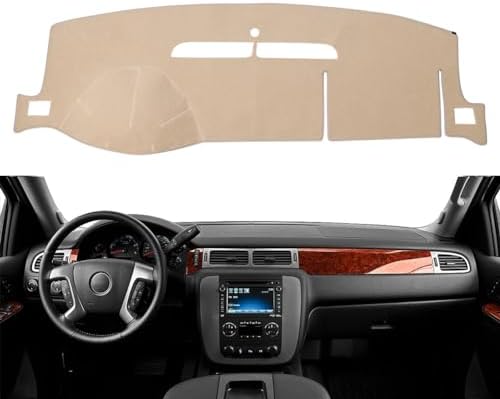
- ☀FITMENT: The dash board cover mat for GMC Yukon/XL/Denali 2007-2014, for Chevy Tahoe Avalanche Suburban 2007-2014, for …
- ☀SUPER PROTECTION: The dash mat protects the dashboard surface from sun’s radiation which can reduce car cracks, warping…
- ☀SAFETY: The reflection of sunshine and the light from the opposite vehicle is easy to cause traffic accidents. Our dash…
Direct contact with sun-heated surfaces can be uncomfortable and damaging.
- Dash Covers: A fabric or upholstered dash cover adds a layer of protection to one of the most exposed parts of your interior. It shields the dashboard from sun damage, reducing the risk of cracking and fading, and can also cut down on glare while driving.
- Seat Covers: Seat covers reduce direct sun exposure on your upholstery, adding a layer of defense against wear, spills, and intense heat. Breathable materials like cotton, mesh, or bamboo are ideal for hot climates. UV-resistant covers specifically protect against sun damage. For child car seats, heat shields can reduce surface temperatures by up to 31 degrees and block 99% of damaging UV rays.
- Steering Wheel Cover: A simple hand towel draped over your steering wheel can prevent it from becoming scorching hot to the touch.
Removing Heat-Sensitive Items
Preventing damage also involves removing items that can degrade, melt, or leave stains when exposed to high temperatures. Electronics, plastic bottles, food wrappers, and certain cosmetics should not be left in a hot car.
Longer-Term Solutions: Advanced Barriers and Surface Care
While immediate strategies are crucial, investing in longer-term solutions provides enhanced, more permanent protection against heat and UV damage, preserving your car’s interior for years to come.
Window Tinting

- 45Pcs Excellent Window Tint Application Tools: 1 pair of blue gloves, 1pc white spray bottle, 1pc safety vinyl cutter, 1…
- Multi-purpose Vinyl Wrap Tool Kit: Complete tools, perfectly coping with every task in the car tinting process. Suitable…
- High Quality Tint Kit for Cars: The squeegees are made of ABS, rubber and felt. The craft knife and utility knife blades…
Window tinting is a highly effective, more permanent way to keep your car cool and protect its interior.
- How it Works: Window tint film is designed with multiple layers to block and reflect a significant portion of solar energy, including infrared (IR) radiation (which primarily contributes to heat buildup) and ultraviolet (UV) rays. High-quality ceramic tints, for example, can block up to 99% of UVA and UVB rays.
- Benefits:
- Significant Heat Reduction: Tinted windows can lower the interior temperature by an average of 10-15°F (5-8°C) compared to untinted vehicles, and some advanced films can reduce interior heat by up to 60%. This makes the car more comfortable to enter and reduces the strain on your air conditioning system.
- Fuel Efficiency: By minimizing the load on the A/C system, window tinting can lead to an increase in fuel efficiency, potentially up to 10%.
- Interior Preservation: Blocking UV rays prevents fading, cracking, and deterioration of upholstery, dashboards, and other interior components, helping your car look newer for longer and maintaining its resale value.
- Glare Reduction: Tinted windows reduce harsh sun glare, improving visibility and reducing eye strain while driving.
- Skin Protection: By blocking harmful UV rays, tinting provides an extra layer of protection for you and your passengers against skin damage.
- Types of Tint:
- Dyed Film: Absorbs solar heat and reduces glare, but may fade over time.
- Metalized Film: Contains metallic particles that reflect heat and UV rays, offering excellent heat reduction and durability. However, it can interfere with electronic devices like GPS and radio signals.
- Carbon Film: Incorporates carbon particles for good performance without electronic interference.
- Ceramic Film: Considered high-quality, ceramic tints are highly effective at blocking UV and IR rays without interfering with electronics.
- Legal Considerations: It’s important to check local laws regarding tint percentages, as regulations vary by state and province. Some areas may not allow any tint on the windshield.
Regular Cleaning and Conditioning
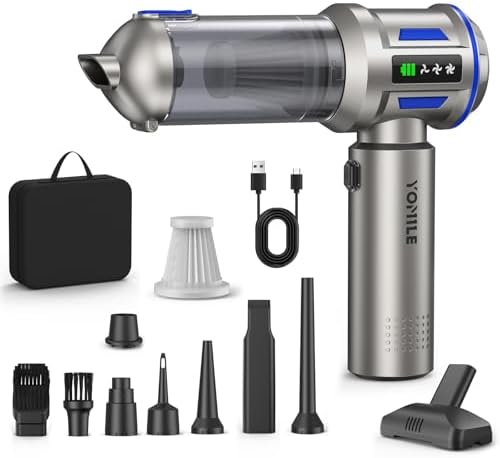
- 【2-in-1 Multifunctional Mini Vacuum Cleaner】This mini car vacuum has a dual mode of blowing and sucking. It can not only…
- 【27000PA Brushless Car Vacuum 】This cordless car vacuum cleaner features an upgraded high-speed motor, providing powerfu…
- 【250000RPM Air Duster】The Wireless electric air duster max rotating speed is 250000RPM, which can continuously produce h…
Maintaining a clean and well-conditioned interior is vital for preventing heat damage and prolonging the life of your materials.
- General Cleaning:
- Vacuuming: Regularly vacuum carpets, floor mats, and seats to remove dirt, dust, and crumbs. High temperatures can cause these to embed into surfaces and intensify odors.
- Wiping Surfaces: Wipe down your dashboard, steering wheel, and door panels with cleaners specifically made for automotive use. Many of these products contain UV protection, offering an extra layer of defense.
- Trash Removal: Regularly remove trash, especially food or drinks, to prevent unpleasant odors from baking in the heat.
- Dashboard and Trim Protectants:
- Use a UV protectant spray specifically designed for automotive interiors. These products create a barrier that shields surfaces like dashboards, door panels, vinyl, and plastic from harmful UV rays, preventing fading, cracking, and discoloration.
- Look for products that are free of petroleum distillates and keep the plastic hydrated and pliable. Brands like Meguiar’s Ultimate Protectant and 303 Aerospace Protectant are often recommended for their superior UV protection and non-greasy finish.
- These protectants need to be reapplied regularly, as their UV protection is sacrificial.
- Leather Care:
- Cleaning: Clean leather seats with a damp cloth or a gentle leather cleaner to remove dirt, oils, and residue.
- Conditioning: Regular conditioning is crucial for leather, especially in hot, sunny climates, as heat pulls moisture from the leather, causing it to dry out, stiffen, and crack.
- Apply a high-quality leather conditioner every 4-6 weeks during summer, particularly if your car is parked outdoors. Conditioners restore essential oils, maintain flexibility, and often contain UV protectants to guard against premature aging and fading.
- It’s best to condition leather in the early morning or evening, when the interior is cool and out of direct sunlight, to ensure even absorption and prevent residue.
- For vehicles with heated and cooled leather seats, use conditioners specifically designed for them to avoid blocking perforations and to insulate against drying.
- Fabric Upholstery Care:
- For fabric seats, use a fabric protector spray to guard against sun damage, repel dirt, and help prevent stains.
Car Covers
A car cover is a protective layer designed to shield your vehicle from dust, sunlight, rain, bird droppings, tree sap, scratches, and other environmental damage. Car covers are available for both indoor and outdoor use and come in different materials such as polyester, waterproof fabric, and UV-resistant layers. They can be custom-fit for specific vehicles or universal-fit for general use.
Modern car covers often include features like elastic hems, mirror pockets, wind straps, soft inner linings, and weatherproof coatings to provide better protection and durability.
Common Types of Car Covers
- Indoor Car Covers – Protect against dust, scratches, and moisture inside garages.
- Outdoor Car Covers – Designed for rain, UV rays, snow, and harsh weather.
- Waterproof Covers – Offer strong rain and moisture protection.
- Breathable Covers – Reduce condensation buildup and prevent mold.
- All-Weather Covers – Suitable for year-round protection in varying climates.
Pros of Car Covers
1. Protects Paint and Finish
Car covers help prevent fading, oxidation, and scratches caused by UV rays, dust, and debris.
2. Shields Against Weather
Outdoor covers protect vehicles from rain, snow, hail, and extreme sunlight.
A cover reduces dust buildup, bird droppings, leaves, and tree sap, lowering cleaning frequency.
4. Reduces Interior Damage
UV-resistant covers help prevent dashboard cracking, seat fading, and heat buildup inside the vehicle.
5. Adds Security and Privacy
Covered cars attract less attention and hide valuables from view.
6. Prevents Minor Scratches
Soft-lined covers can reduce scratches from pets, falling debris, and accidental contact.
7. Cost-Effective Protection
Using a car cover can help reduce long-term maintenance and detailing expenses.
Cons of Car Covers
1. Improper Use Can Cause Scratches
If dirt gets trapped between the cover and the vehicle, rubbing may create swirl marks or scratches.
2. Time-Consuming
Installing and removing a car cover regularly can be inconvenient for daily drivers.
3. Cheap Covers Wear Out Quickly
Low-quality covers may tear, fade, or lose waterproof protection after limited use.
4. Moisture Trapping Issues
Non-breathable covers can trap moisture, potentially leading to mold or paint damage.
5. Wind Can Cause Damage
Loose-fitting covers may flap in strong winds and create friction against the paint.
6. Storage Space Needed
When not in use, large covers require clean storage space.
7. Not Always Ideal for Wet Cars
Covering a wet or dirty car may trap contaminants and increase the risk of paint damage.
Conclusion: A Cooler Car, A Happier Ride
Protecting your car’s interior from the relentless assault of heat and UV rays is an investment in both comfort and longevity. From the immediate relief provided by smart parking and sunshades to the enduring defense offered by window tinting and meticulous surface care, each strategy plays a vital role in preserving your vehicle’s condition.
By understanding how heat damages materials and consistently applying these protective measures, we can prevent premature aging, cracking, and fading of our dashboards, upholstery, and electronics. A well-maintained interior not only enhances our daily driving experience but also helps retain the car’s resale value. So, let’s take proactive steps to safeguard our automotive interiors, ensuring a cooler car and a happier ride for years to come.
Frequently Asked Questions (FAQ)
How hot can a car interior actually get?
A parked car under the summer sun can reach interior temperatures above 130°F, and even up to 190°F in extreme conditions. On an 80-degree day, the interior can hit 123 degrees after just one hour. Even on a relatively cool 75-degree day, the interior can exceed 120 degrees after 90 minutes.
Do cracked windows really help cool down a car?
Yes, cracking your windows open a few inches can help. It allows hot air to escape and creates a cross-breeze, which can help reduce the internal temperature and the “greenhouse effect” inside your car. However, ensure it’s safe to do so to prevent theft.
Are all car sunshades equally effective?
No. Sunshades work by reflecting light and heat, so metallic or silver ones are generally the most effective. Custom-fit sunshades, like those from WeatherTech or Covercraft, offer superior, edge-to-edge coverage, which is more effective than universal ones that may leave gaps.
How often should I condition my leather seats in hot weather?
In hot, sunny climates, it’s recommended to condition leather seats every 4-6 weeks, especially if your car is regularly parked outdoors. This helps replenish natural oils and prevents drying, cracking, and fading caused by heat and UV rays.
Can window tinting interfere with my car’s electronics?
Some types of window tint, particularly metalized films, can interfere with electronic devices like GPS and radio signals. However, modern carbon and ceramic tints are designed to provide excellent heat and UV rejection without causing electronic interference.
What are the best materials for car seat covers in hot weather?
For maximum comfort in hot climates, opt for breathable materials like cotton, mesh, or bamboo for your car seat covers. These materials help prevent seats from becoming uncomfortably warm and sticky. UV-resistant covers also provide crucial protection against sun damage.